
Imposter Syndrome: Why Do We Still Feel Like Phonies?
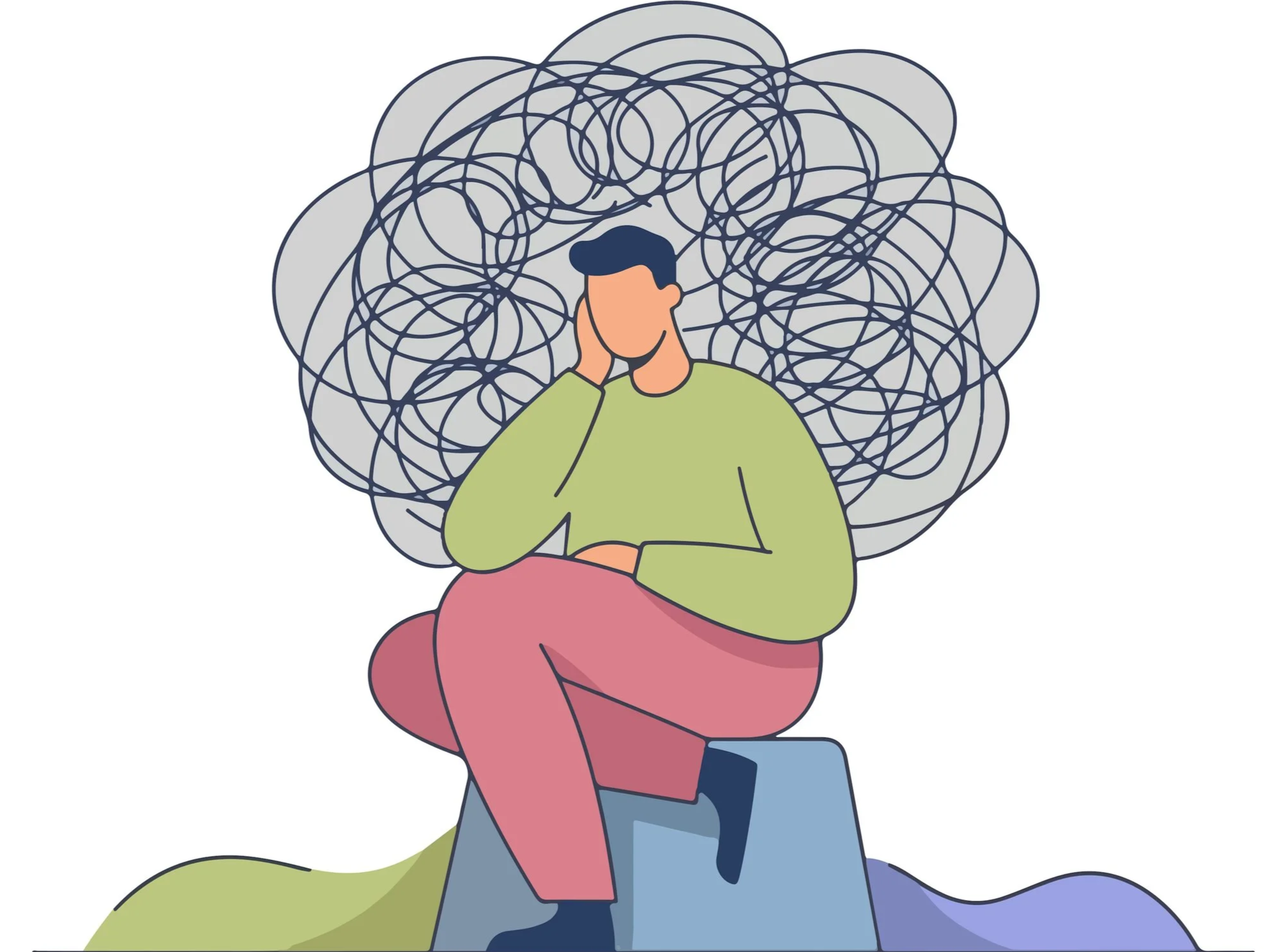
Feeling like a fraud at work? Are you not good enough? Have you been pretending all this time? Are you slowing your team down? If you’ve answered yes to any of these questions, don’t fret! You may be suffering from imposter syndrome! According to the British Medical Association, imposter syndrome is feelings of inadequacy, doubt and guilt despite evidence to the contrary. It can affect those in all kinds of professions at all levels; up to 70% of adults may experience it at some point in their lives.
Although not an officially diagnosable condition, ‘imposter phenomenon’ was first coined in the 1970s by Pauline Rose Clance and Suzanne Imes. Supposedly affecting high achieving women mostly, they view themselves as ‘phonies’, believe they do not deserve their success, are not intelligent and have fooled all those around them (which I must add involves a high level of intelligence in itself, to fool colleagues who are supposedly far more intelligent than yourself). Ironically, levels of achievements, whether academic or otherwise, may do nothing to alleviate that doubt. Once again, these accolrades were supposedly achieved by luck, input by other people, or some kind of misunderstanding.
The stereotypical ‘role’ of women in the workplace in the 1970s is also a factor. This not only provided practical barriers for high achieving women, but societal ones too. It is not in the remit of this article to delve deeper into this topic, but Clance and Imes fully appreciated this aspect of the 1970s workforce. As explored in our previous article, only ~20% of women make up the total number of the highest ranking tech positions. Perhaps unfortunately, imposter syndrome still appears to be rife! At the time their article was written, anecdotal evidence suggested men did not suffer to nearly the same degree as women. However, as moods and mores have changed, it has been established men do indeed suffer from imposter syndrome also. This is formed by similar issues Clance and Imes highlighted above, but we are complicated creatures and reasons are myriad!
Now we understand it a bit more, what can we do about these feelings? As with imposter syndrome, everyone feels it differently, at different times to different degrees. This means there are a multitude of ways someone can get help, support and/or a reality check! This is not to minimise how people feel, but to try and appreciate what someone has actually achieved. This can be distorted by our own minds and feelings. For simplicity, I have grouped suggestions into high and low effort. The list is not exhaustive and I am no professional, but the sources cited below certainly are!
Low effort tips
Read your CV to remind yourself you deserve to be where you are - you are not a fraud at work
Chat to colleagues and friends as you are most likely not alone
Create a work outline diary. Highlight your tasks, how they could go wrong, then the actual outcome of those tasks. Anxious predictions are rarely correct
Breathing exercises to manage any anxiety you may be feeling
Spend a few minutes recognising what you achieved in a particular day
High effort tips
Counselling to explore your feelings around imposter syndrome
Be kind to and comfortable with yourself
Trust in your abilities but be honest about your strengths and weaknesses
Speak up! Your ideas are valid. Don’t let imposter syndrome stop you from voicing your ideas
Do not compare yourself to your colleagues
Remember to switch off when you are away from work
Imposter syndrome helps no one and seems endemic in our society today. I know I can do it. You know you can do it. Hopefully one day that will become easier to accept. Join us at Women in Tech Sussex!
Sources cited throughout:
https://www.psychologytoday.com/gb/basics/imposter-syndrome
https://www.bps.org.uk/psychologist/imposter-syndrome-psychology
https://paulineroseclance.com/pdf/ip_high_achieving_women.pdf
Dr Jessamy Hibberd, The Imposture Cure, 2019.
