Imposter Syndrome: Why Do We Still Feel Like Phonies?
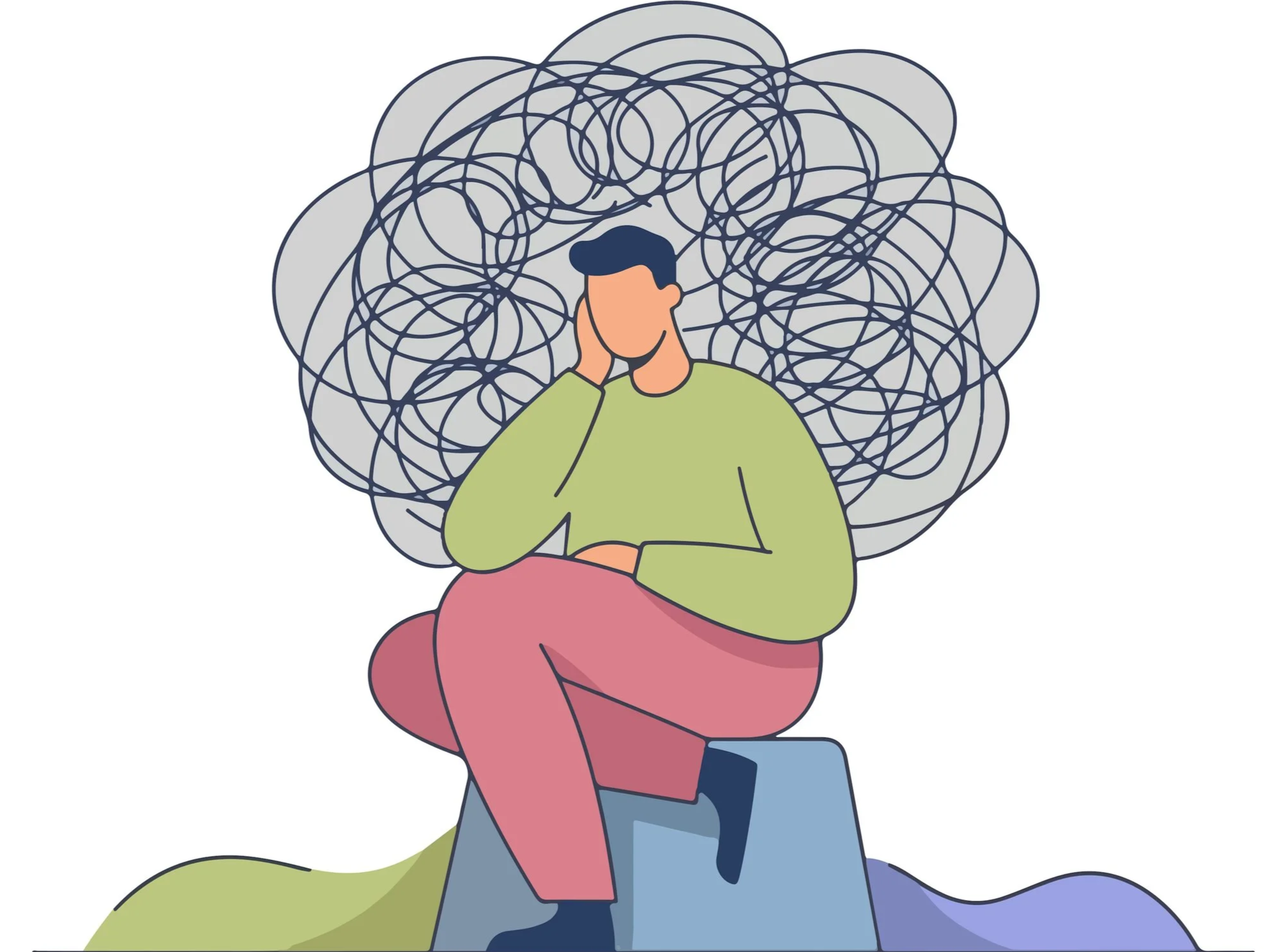
Feeling like a fraud at work? Are you not good enough? Have you been pretending all this time? Are you slowing your team down? If you’ve answered yes to any of these questions, don’t fret! You may be suffering from imposter syndrome! According to the British Medical Association, imposter syndrome is feelings of inadequacy, doubt and guilt despite evidence to the contrary. It can affect those in all kinds of professions at all levels; up to 70% of adults may experience it at some point in their lives.
Although not an officially diagnosable condition, ‘imposter phenomenon’ was first coined in the 1970s by Pauline Rose Clance and Suzanne Imes. Supposedly affecting high achieving women mostly, they view themselves as ‘phonies’, believe they do not deserve their success, are not intelligent and have fooled all those around them (which I must add involves a high level of intelligence in itself, to fool colleagues who are supposedly far more intelligent than yourself). Ironically, levels of achievements, whether academic or otherwise, may do nothing to alleviate that doubt. Once again, these accolrades were supposedly achieved by luck, input by other people, or some kind of misunderstanding.
The stereotypical ‘role’ of women in the workplace in the 1970s is also a factor. This not only provided practical barriers for high achieving women, but societal ones too. It is not in the remit of this article to delve deeper into this topic, but Clance and Imes fully appreciated this aspect of the 1970s workforce. As explored in our previous article, only ~20% of women make up the total number of the highest ranking tech positions. Perhaps unfortunately, imposter syndrome still appears to be rife! At the time their article was written, anecdotal evidence suggested men did not suffer to nearly the same degree as women. However, as moods and mores have changed, it has been established men do indeed suffer from imposter syndrome also. This is formed by similar issues Clance and Imes highlighted above, but we are complicated creatures and reasons are myriad!
Now we understand it a bit more, what can we do about these feelings? As with imposter syndrome, everyone feels it differently, at different times to different degrees. This means there are a multitude of ways someone can get help, support and/or a reality check! This is not to minimise how people feel, but to try and appreciate what someone has actually achieved. This can be distorted by our own minds and feelings. For simplicity, I have grouped suggestions into high and low effort. The list is not exhaustive and I am no professional, but the sources cited below certainly are!
Low effort tips
Read your CV to remind yourself you deserve to be where you are - you are not a fraud at work
Chat to colleagues and friends as you are most likely not alone
Create a work outline diary. Highlight your tasks, how they could go wrong, then the actual outcome of those tasks. Anxious predictions are rarely correct
Breathing exercises to manage any anxiety you may be feeling
Spend a few minutes recognising what you achieved in a particular day
High effort tips
Counselling to explore your feelings around imposter syndrome
Be kind to and comfortable with yourself
Trust in your abilities but be honest about your strengths and weaknesses
Speak up! Your ideas are valid. Don’t let imposter syndrome stop you from voicing your ideas
Do not compare yourself to your colleagues
Remember to switch off when you are away from work
Imposter syndrome helps no one and seems endemic in our society today. I know I can do it. You know you can do it. Hopefully one day that will become easier to accept. Join us at Women in Tech Sussex!
Sources cited throughout:
https://www.psychologytoday.com/gb/basics/imposter-syndrome
https://www.bps.org.uk/psychologist/imposter-syndrome-psychology
https://paulineroseclance.com/pdf/ip_high_achieving_women.pdf
Dr Jessamy Hibberd, The Imposture Cure, 2019.
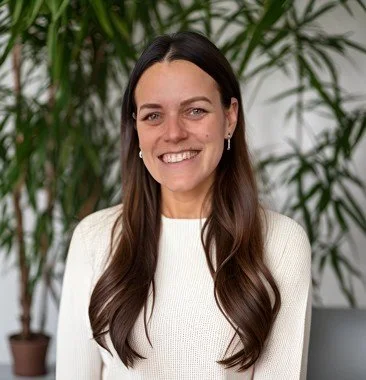
Meet Liz! Founding Member of Women in Tech Sussex
Intro
Careers in technology are often portrayed as linear, defined by technical degrees, coding expertise or engineering backgrounds. Mine has been anything but. My route into tech has been shaped by creativity, curiosity and a desire to understand people just as much as platforms. Today, I’m Head of Growth & Marketing at Circus, a creative agency working at the forefront of virtual content and immersive technology - but my path here reflects how diverse and interdisciplinary the technology sector really is, and why conversations about women in tech, throughout Sussex and across the UK, matter more than ever.
What I Do - and How I Got Here
I lead growth and marketing strategy for Circus - my role is focused on identifying opportunity, developing new initiatives, shaping and aligning our brand position, building demand, and ensuring we connect with organisations that can benefit from digital innovation and transformation. It involves strategic planning, performance analysis and relationship-building with complex, often global clients navigating the latest technology landscapes.
What I enjoy most is the balance between creative storytelling and analytical thinking. Growth marketing in tech is not just about campaigns, it’s about understanding behaviour, anticipating needs and translating technological capability into meaningful value.
A lot of how I approach leadership and decision-making today was shaped early on through hands-on experience in small, fast-moving teams. As part of the founding journey of Bramber Bakehouse, I moved across responsibilities spanning finance and marketing, learning how strategy and operations intersect in real time. Working closely within a small organisation meant developing adaptability and perspective quickly, experiences that continue to influence how I solve problems and navigate growth environments today.
From there, my path naturally pulled me further toward digital and technology-focused marketing. I worked across consultancy and leadership roles that deepened my understanding of how organisations adopt and communicate emerging technologies. Alongside this, I became increasingly interested in governance and community contribution, participating in advisory and board work and, more recently, joining this founding group of Women in Tech Sussex.
My academic journey mirrors this blend of commercial thinking and human insight. When I began my undergraduate degree, I wasn’t thinking about a future in tech per se, I was interested in understanding human behaviour, business structures and communication techniques. That experience gave me a grounding in strategy and financial thinking, but more importantly sparked curiosity about how people make decisions and engage with ideas.
That curiosity led me to postgraduate study in Anthropology, where I explored behaviour, storytelling, ethics, and culture, themes that underpin much of modern digital communication. Later still, professional study at University of Oxford in disruptive digital marketing deepened my understanding of data-driven decision-making and emerging channels.
Alongside formal education, I’ve also continued developing practical skills in analytics, project management and digital strategy, not as milestones, but as part of staying responsive in a constantly evolving field. Something I highly recommend to everyone.
A Common Misconception About Working in Tech
A misconception I encounter frequently is that working in tech means being highly technical in the traditional sense - coding, engineering or developing software. While those skills are invaluable, the industry thrives on multidisciplinary collaboration and diverse thinking.
My role is centred on translation, connecting innovation with understanding. I interpret market signals, shape messaging, analyse behavioural data and guide strategic positioning. This requires empathy, creativity, leadership and communication just as much as technical awareness, skills that are increasingly recognised as critical within modern technology careers.
Another misunderstanding is that technology careers are impersonal or isolated. In reality, they are deeply collaborative. Success depends on building trust across teams and clients, navigating diverse perspectives and aligning shared goals. Technology may be the medium, but people remain at the centre.
Advice for Women Considering This Path
For women unsure about how to pursue a career in tech, my strongest advice would be: follow your passion(s) rather than predefined expectations.
My own journey was driven by an innate love of video content and storytelling, combined with fascination for emerging technologies. That combination led me toward immersive digital experiences. Others may find themselves drawn to hardware, software development, data science, or UX design, there is no singular path into tech.
Start by exploring what excites you. Experiment with learning opportunities, engage with professional communities and build confidence in transferable skills. Skills like strategic thinking, communication, creativity, and leadership are immensely valuable in technology environments.
Equally important is finding support networks, like Women in Tech Sussex. These communities play a vital role in visibility and encouragement, and representation matters - seeing others navigate similar journeys can be transformative.
Ultimately, the technology industry needs diverse perspectives. It thrives when people bring unique experiences and viewpoints to solving complex challenges. Don’t let anyone tell you otherwise.
The Technology I Can’t Live Without
One piece of technology I enjoy is a VR headset. There’s still a sense of curiosity every time I put one on, that moment of stepping into a completely different environment hasn’t really worn off - even after all these years. Beyond being central to our work in immersive technology, it allows me to experience digital environments firsthand, ensuring that strategy aligns with real user experience.
It turns abstract concepts into tangible understanding and strengthens my ability to communicate value authentically. Experiencing innovation directly keeps me grounded in the purpose behind the work, not just driving growth metrics, but enabling meaningful engagement through technology.
I’m also a little lost without my smart watch, so that’s a close second.
Technology That’s Benefited the World
If I had to highlight one category of technological advancement that has transformed the world, it would be connectivity, the tools that enable communication, collaboration and access to knowledge globally.
Digital platforms have reshaped learning, working and sharing ideas. They’ve made remote collaboration possible, expanded access to information and created new opportunities for communities and organisations alike - including supporting regional technology ecosystems.
While these advances come with challenges requiring thoughtful governance and ethics, their positive impact on accessibility and opportunity is undeniable.
Looking Ahead
Working in growth and marketing within the tech sector means embracing constant change. New platforms emerge, behaviours evolve and technological capabilities expand. This dynamism is what makes careers in technology energising. They require curiosity, adaptability and lifelong learning.
For me, the most rewarding aspect of this journey is contributing to broader conversations about how technology shapes experience and marketing opportunities for brands. Whether mentoring others, supporting representation initiatives, or helping organisations understand emerging capabilities, impact remains the guiding principle.
My path into technology was neither conventional nor predictable and that is precisely its value. It demonstrates that careers in tech can be built through creativity, leadership and curiosity just as much as technical specialisation.
There is space in this industry for many voices and perspectives - and I hope more people feel empowered to bring theirs.
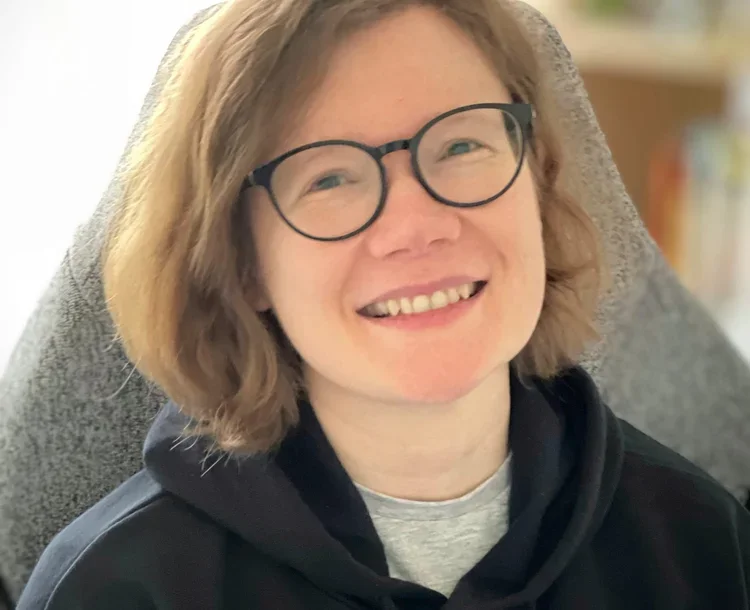
Meet Steph! Founder of Women in Tech Sussex
Tell us a bit about yourself, your background professionally and personally
I always loved technology growing up, but I didn't foresee becoming a woman in tech, specifically. Gaming was my gateway into technology and how fun and intricate it can be. Sims was definitely an early favourite. I kind of fell into working in technology to be honest with you. I needed a job after university to help fund further studies, and I found a position for website editing. When I realised I was good at it and really enjoyed it, I haven't looked back. I went from authoring websites, to QAing them, to developing them, to testing their accessibility.
What’s something surprising about you that people don’t usually know?
I have been trained by the MS Society to speak publicly on all things MS. From what it actually is to how people live day to day, I love spreading the word on multiple sclerosis. As long as you don’t mind them being a bit on the ugly side, I can also make a good cupcake!
Do you have any rituals, habits or people that keep you grounded?
I find gaming very therapeutic. It's one of the great joys in my life (along with my family and friends, of course) where I can be in my own space, do my own thing and play very badly. I also have a very loving(?) cat who I take care of and who takes care of me… when she sees fit.
Tech is quite a broad industry, what parts of it are you most interested in?
I've seen a lot of different aspects of software testing, from what you see on a webpage to the nitty gritty of an internal system. For me, it's how all these aspects fit and work together. They don't always work well together, but that's where I come in as a software tester! I find it really satisfying to find an issue or error that could help improve a site to benefit the end users when fixed.
What new skills in tech have you learned in the last 12 months?
I have learnt so much over the past year about accessibility for websites and apps. The accessibility guidelines help inform companies on how to do what they can for differently abled people. The lengths companies do (and do not) go to can help ensure people who may be overlooked can access their content. Just don’t ask me to go into it in too much detail, or I may never stop talking.
Were there personal experiences or people that shaped your decision to help found WIT Sussex?
As I entered the world of tech as a woman, I found there were a lot of us, but we weren't very connected. I believe a network can offer great support to those who may feel a bit alone. I wanted to help start WIT Sussex to help provide that support and connection to those who would like that too. I’ve had previous experience setting up groups such as this, with great results. Sussex has an amazing array of women and non-binary people in tech, and I would love to link with likeminded people.
What piece of tech can’t you live without?
An obvious one would be my phone. It has all the information you may - or may not - ever need in the palm of your hand. However, it's a bit out there, but an unlimited digital music source would be my first choice. I don’t think I could survive a full work day without my favourite music.